
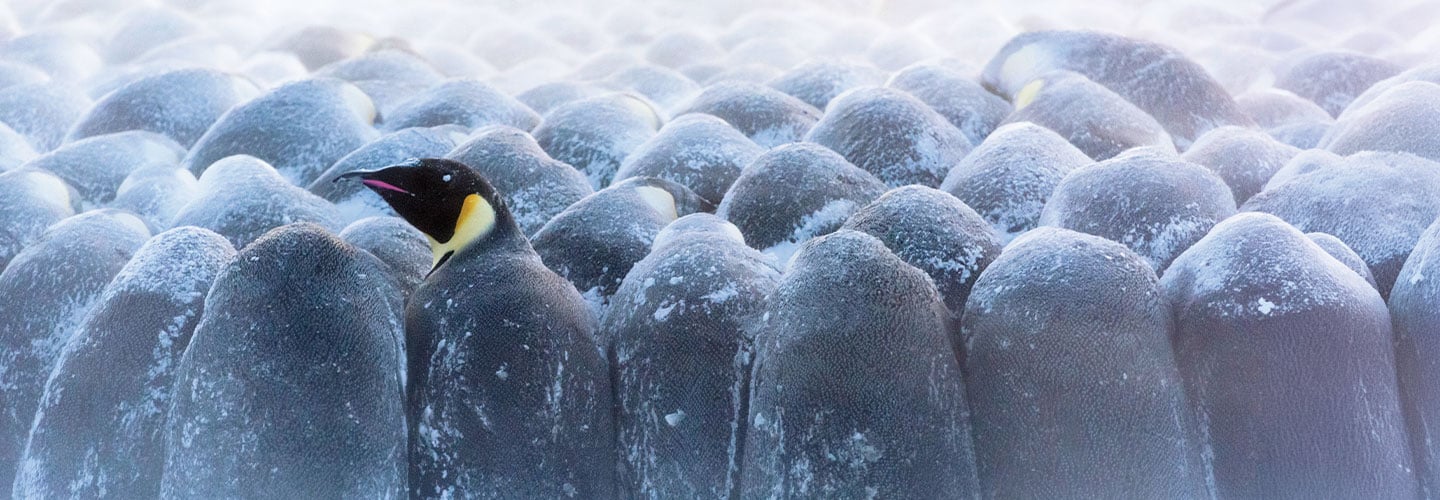

While animals can’t pull a winter jacket out of the closet, many species have developed other ways to trap heat and keep warm in cold weather. Some mammals prepare for the colder months by growing thicker fur. “Dense fur provides insulation,” says Jane Khudyakov, a biologist at the University of the Pacific in California. “It traps a cushion of air close to the body,” which reduces heat loss. Deer, moose, gray squirrels, bobcats, coyotes, and raccoons are among the many mammals that grow winter coats to keep warm. Birds use a similar trick: They fluff out their feathers in winter to trap more air and insulate their bodies.
Wild animals can’t pull a winter jacket out of the closet. But many species have developed other ways to trap heat and keep warm in cold weather. Some mammals get ready for winter by growing thicker fur. “Dense fur provides insulation,” says Jane Khudyakov. She’s a biologist at the University of the Pacific in California. “It traps a cushion of air close to the body,” she says. That reduces heat loss. Deer, moose, gray squirrels, bobcats, coyotes, and raccoons all grow winter coats to keep warm. Birds do something similar. They fluff out their feathers in winter. Fluffed feathers trap more air. So they lose less heat.